The Negombo Lagoon, tucked along the picturesque western coast of Sri Lanka, is a hidden treasure that provides a glimpse into the vibrant lagoon village life, rich culture, and distinctive way of life of the local communities. In addition to its natural grandeur, this lagoon is renowned for its diverse ecosystem and for being home to the coveted Negombo mud crab. In this journal, we will explore the five major attractions surrounding the Negombo Lagoon, focusing on village life, the close-knit community, and the origins of the Negombo mud crab delicacy
Life in the Village by the Lagoon :
There are picturesque Sri Lankan villages all around the Negombo Lagoon,
where traditional ways of life have survived. As you explore these enchanting
communities, you will observe generations-old fishermen, artisans, and families going
about their daily lives. The lagoon is essential to the economic well-being of these
communities, whose primary sources of income are fisheries and traditional crafts.
The villages along the lagoonbed are worlds apart from urban centers; Munnakaraya,
Thalahena, and Kepungoda offer a tranquil environment where time appears to stand still.
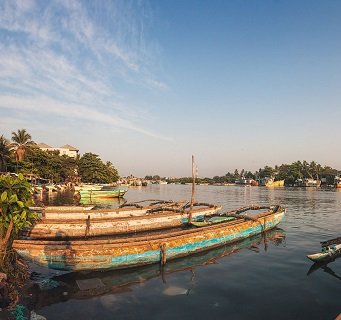
The fishermen perched on stilts along the lagoon are an extraordinary sight, capturing the
essence of a way of life that has remained largely unaltered for centuries.
Successful Fishing Communities :
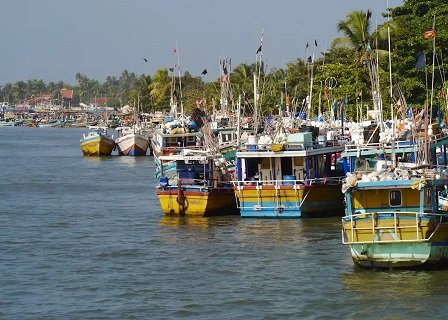
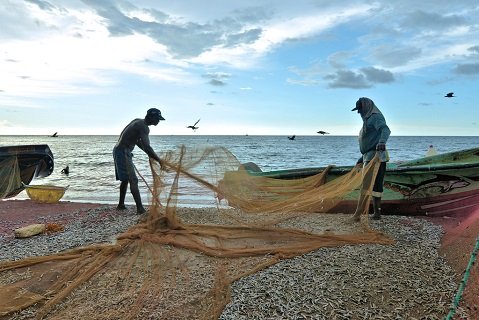
The livelihood of the villages surrounding Negombo Lagoon is fishing.
The local fishery communities have formed a strong bond with the lagoon, the sea, and its
environs. Traditional fishing methods, such as the use of fishing nets, traps, and boats,
are still extensively used, reflecting the region's rich fishing heritage passed down through the
generations.The unique setting of the Pamunumagama-Negombo main road is a narrow but long (12–15 12-15 Km)
strip of Land which is engulfed by the lagoon and the sea from either side.
The lagoon's diverse ecosystem makes it an ideal habitat for numerous species of fish, shrimp,
and, of course, the renowned Negombo mud crab. These communities have mastered the craft of crab
capturing and fishing, sustaining their way of life and bolstering the local economy.
The Negombo Mud Crab is a species of crab.The Negombo mud crab,
a prized delicacy renowned for its exquisite flavor and tender flesh, is one of the most important attractions
of the Negombo Lagoon. These crabs flourish in the brackish waters of the lagoon, and the delicate balance of
fresh and saltwater gives them a distinct flavor.
Local fishing communities that have mastered the art of crab capturing are the ancestors of
the Negombo mud crab. Crab fishing is a labor-intensive process that requires the use of traditional
crab traps, timber rafts, and generations-old knowledge. Crabs are a sought-after dish in Sri Lankan and
international cuisine because they are harvested and prepared with care to ensure their quality.
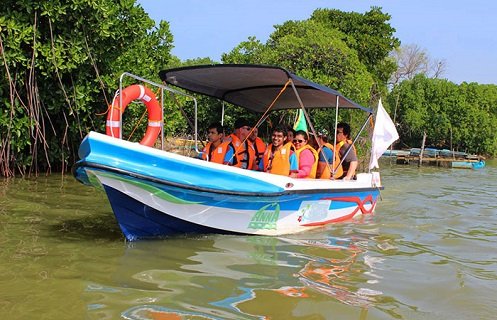
The Negombo Lagoon Safari includes :
To truly appreciate the beauty and diversity of the Negombo Lagoon,
a safari through the lagoon is essential. These excursions allow for
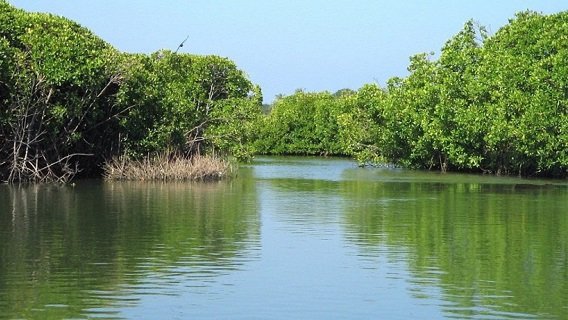
exploration of the lagoon's interconnected waterways, wetlands, and mangrove forests.
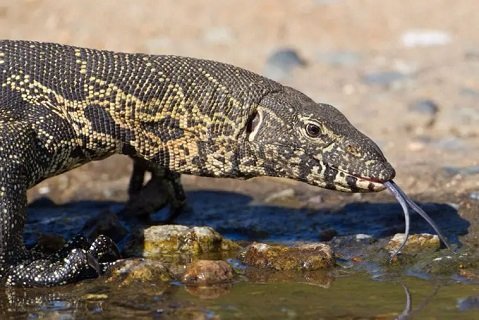
As you glide through the tranquil waters, you will encounter an abundance of birds, aquatic flora,
and elusive aquatic creatures such as monitor lizards and water snakes.
The lagoon safari provides not only an up-close look at the lagoon's ecological significance,
but also a glimpse into the lives of fishery communities that depend on it. Local guides provide
enthralling accounts of the lagoon's history, environmental significance, and indigenous inhabitants' traditional practices.
Cultural and Historical Sites :
In addition to its natural grandeur and cultural diversity,
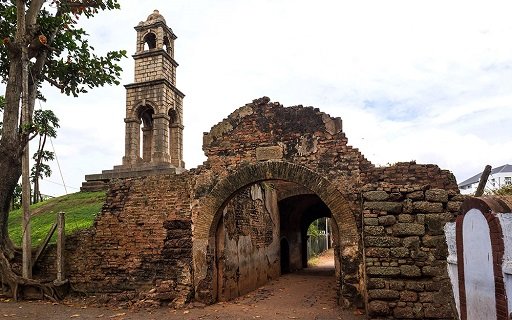
the Negombo Lagoon region is also home to a number of historical and
cultural sites. The most notable is the Dutch Fort, a fortification
from the colonial period that displays Dutch architecture and historical artifacts.
The fort represents the colonial past of the city and provides fascinating insights into its history.
The Negombo Lagoon is a treasure trove of natural beauty, cultural heritage,
and a way of life that is intricately intertwined with the lagoon's offerings.
The picturesque villages, flourishing fishing communities, and delectable Negombo mud
crab illustrate the profound connection between the lagoon and local culture. As you journey
to discover this hidden treasure, you will not only witness the tranquil beauty of the lagoon
but also gain a profound appreciation for the resilient communities that depend on it for sustenance and cultural identity.
Compiled by Dinith Fernando